Equipment Operator Training and NCCER Registration: Why It Matters for Your Future
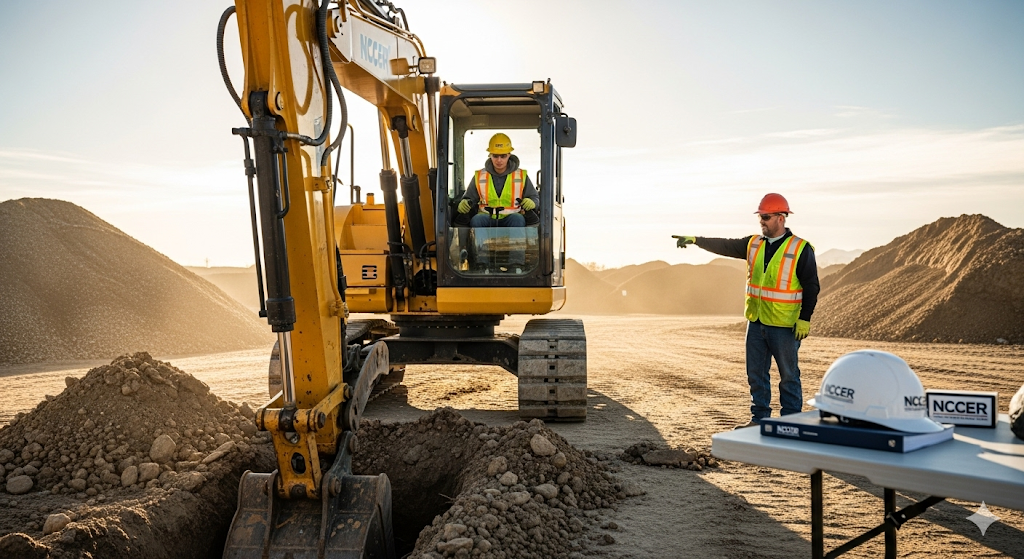
If you are planning to make a career in construction, you must have observed that equipment operator training is the fastest track to steady, well-paying work. However, more importantly, beyond the skills that you have learned, the employer looks for something that legally proves your abilities: the NCCER registration. Training and registration create the foundation that helps in building a successful future in construction.
Why Equipment Operator Training Is Essential
Heavy machinery operations are not merely about sitting and controlling machinery. Employers require operators to be trained in:
- Safety standards and jobsite awareness
- Proper use of bulldozers, excavators, loaders, and backhoes
- Reading site plans and following construction protocols
- Efficiency and productivity in real-world scenarios
This is where heavy equipment operator training comes into the equation. A good program ensures that its students not only know the theory but also practice with the machine they will likely operate in the future.
The Role of Heavy Equipment Training Programs
Not every training is the same. High-quality heavy equipment training programs prepare machinery operators through classroom instruction and hands-on, real-world training. These classes generally encompass:
- Simulator sessions that allow you to practice in a controlled environment
- On-site yard training with actual machines
- Guidance from industry-experienced instructors
- Preparation for NCCER knowledge and performance tests
Graduates of structured programs enter the workforce with confidence, knowing they’ve been trained to meet industry standards.
Why NCCER Registration Matters
Training ultimately imparts the skill to perform a task in an efficient manner, while NCCER registration gives you recognition. The National Center for Construction Education and Research (NCCER) stands as a generally respected authority in matters of construction. Registration means your abilities are recorded in a national registry, which is accessible to employers.
Here’s why it matters:
- Verification: Employers can instantaneously confirm your skills and training history.
- Portability: Your credentials travel with you throughout the United States, making you eligible for jobs on a national level.
- Competitive Edge: Employers favor candidates who carry an NCCER registration as opposed to those who do not, since it reduces the risk of training.
- Career Development: Operators registered with the NCCER tend to get promoted or receive higher pay.
NCCER registration is not just papers – it means we have met the highest safety standard in the industry.
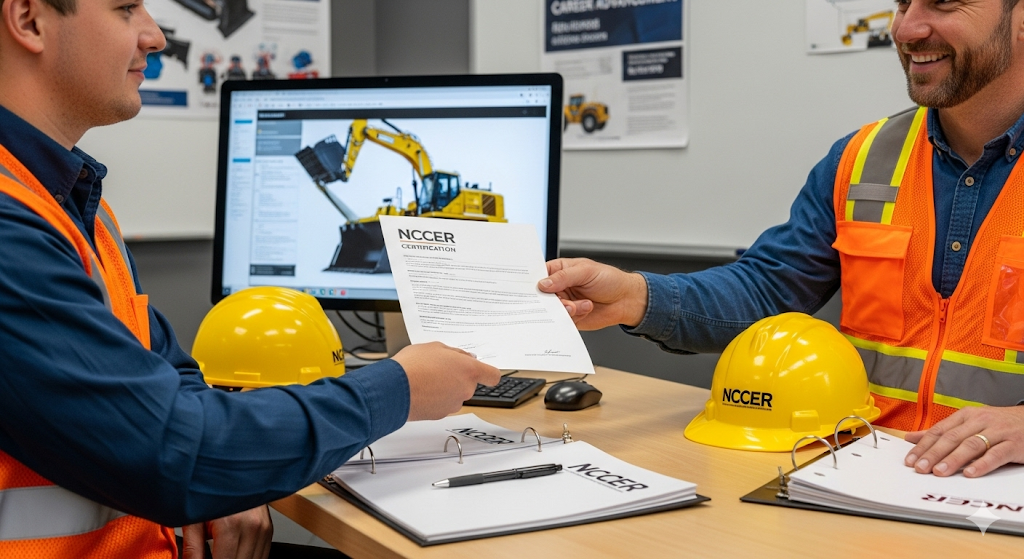
Training + Registration = Career Success
When you combine equipment operator training with NCCER registration, you cater to every need an employer might ask for.
- Practical skills they can trust on the jobsite
- Official recognition of your abilities through NCCER
- A commitment to professionalism and safety
This combination places you above other candidates who may have an informal background but have no formal training or registration.
How National Training Prepares You for Success
At National Training, students do not simply learn to operate machinery-they prepare for a career. With a training facility over 350 acres, hands-on instruction, and programs designed to actual employer needs, National Training sets you up for a lasting career.
Key advantages include:
- NCCER-based curriculum with registration support
- Hands-on practice with multiple types of equipment
- Lifetime job placement assistance
- Housing options for out-of-state students
Whether you are a beginner or someone seeking to refine the necessary skills, heavy equipment operator training at National Training builds confidence in you and credentials for the employer. Training and registration lay the foundation for your future as a certified operator.
Leave a Reply