Excavator vs. Bulldozer vs. Backhoe vs. Articulated Loader: Which Training Path Is Right for You?
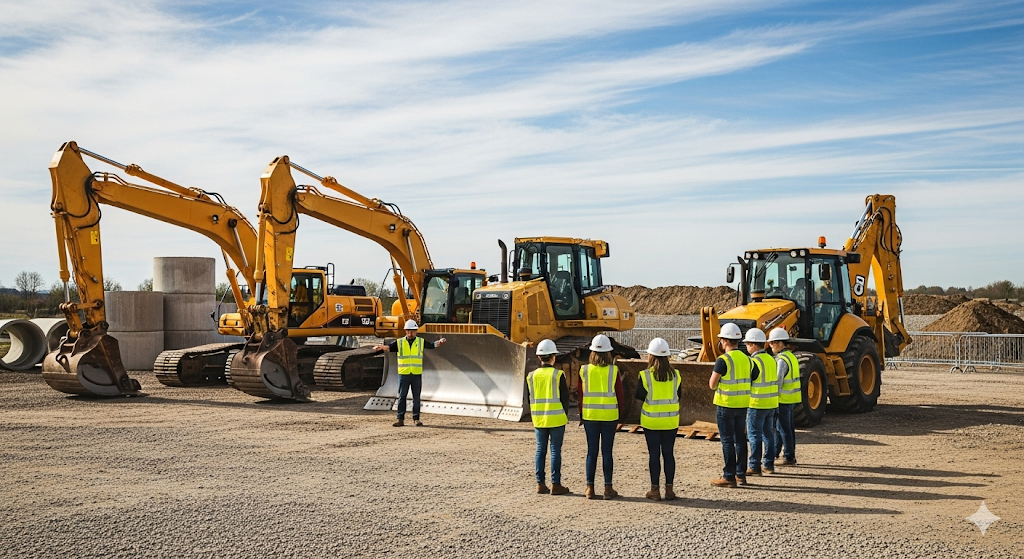
A heavy equipment operation job can be thrilling for many people. There are many things that have to be taken into account when getting into such a field. The foremost thing is deciding upon the machine in which you want to specialize.
Bulldozer operator training, excavator operator training, backhoe operator training, or articulated loader training -they train the workers in different skill sets and prepare them for different kinds of opportunities. Understanding these differences allows you to better prepare your path according to your interests and career goals
Know the Machines
Each machine serves a specific purpose on construction sites:
- Excavators dig, demolish, and handle materials. They are among the most versatile machines, and many construction projects utilize them.
- Bulldozers are designed to push earth, clear land, and grade surface levels. They are needed for roadwork, site preparation, and heavy construction projects.
- Backhoes combine the digging capacity of a bucket and the loading abilities for smaller-scale projects, landscape, and municipal work.
- Articulated Loaders: Specialize in lifting and transporting materials across job sites. Due to their maneuverability and strength, these vehicles are essential for roadwork, quarry activities and construction.
Recognizing what every machine is for will actually help align your training towards intended career goals.
Skills You’ll Gain
The training for each machine focuses on practical, hands-on skills:
- Excavator Operator Training: Learn precise digging, trenching, and moving materials efficiently. It prepares you to work in large construction projects where precision is paramount.
- Bulldozer Operator Training: Includes procedures for grading, site clearing, and moving heavy materials. Graduates can find work in road construction, commercial projects, and land development.
- Backhoe Operator Training: Enables multitasking skills such as digging, loading, and working in tight spaces. There is a demand for backhoe operators in small construction, utilities, and landscaping.
- Articulated Loader Training: Lifting, loading, and moving materials over rough or uneven terrain should be done safely, while maintaining the highest level of site production.
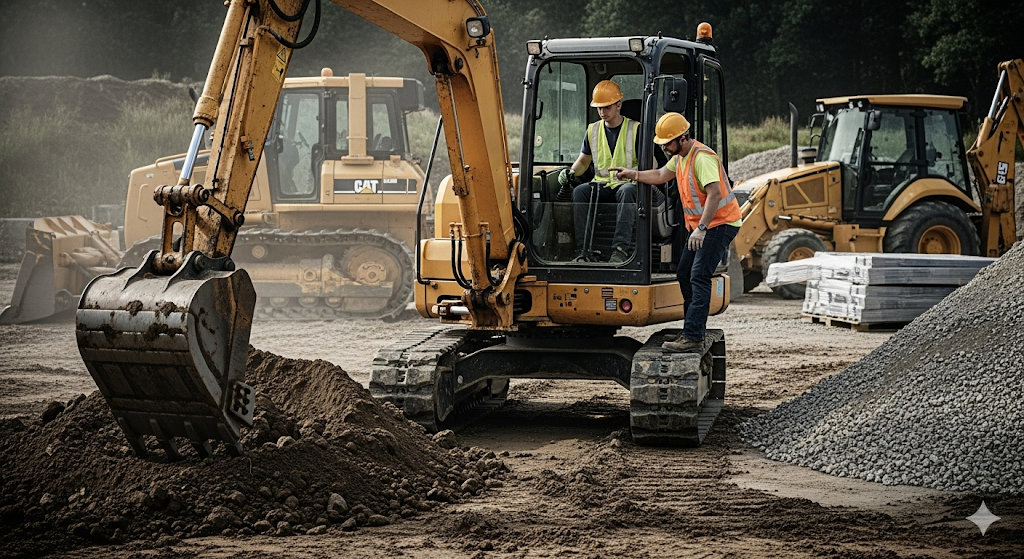
Hands-on practice is a must as employers prefer actual training over simulator-only training. Working with real machines builds your confidence and helps you become competent from day one.
How to Decide Which Path Is Right for You
Here are a few tips to help you choose:
- Consider Your Career Goals: Do you want to work on larger sites, municipal projects, or smaller jobs? Different machines offer different opportunities.
- Consider Your Work Style: Bulldozers require power and precision; excavators require patience and control; backhoes need to be versatile and multitasking; articulated loaders need careful maneuvering and steady focus.
- Check Job Demand: Find out which are in higher demand in your locality or across the country. Skills for bigger projects usually include excavator operator and bulldozer operator, while backhoe and articulated skills are needed in landscaping, municipal work, and quarrying.
- Test Your Interest: If you ever have time to take a few introductory classes or demonstrations, it will help you decide which equipment really feels right to you.
Choosing the right machine can impact your satisfaction with the work and advances in your career, so it is worth investing a little time to weigh options.
Closing Lines
Whatever route you go for, bulldozer, excavator, articulated or backhoe operator training, hands-on experience becomes a building block for the same. Each choice comes along with its special skills to be learned, field-based exposure, and potential growth opportunity within the fast-growing construction industry.
You can find a variety of programs at National Training for gaining real experience as per your targeted equipment and confidence to pursue that career. Your search for the right training path with hands-on experience marks the beginning of your journey toward becoming a fully trained, job-ready operator.
Leave a Reply