How Do Excavator Training Courses Work?
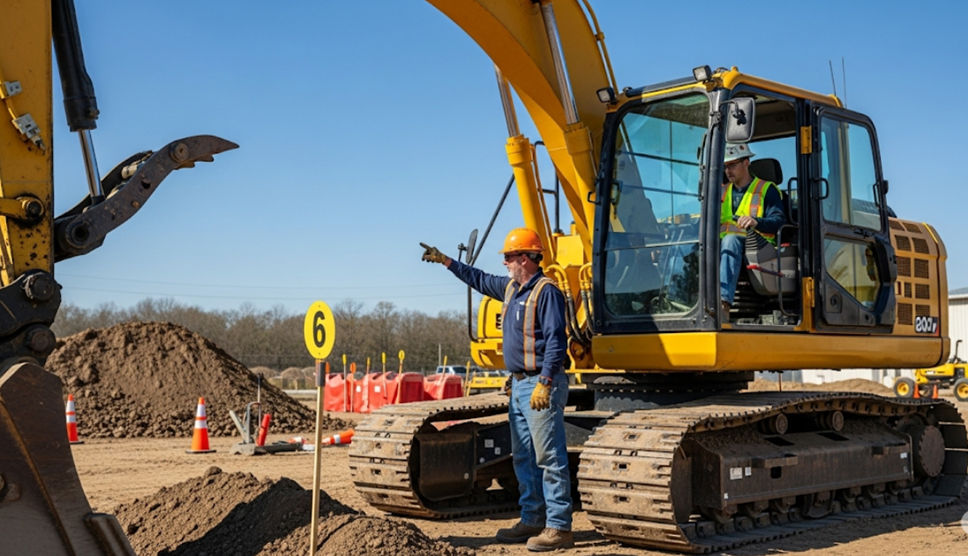
If you’ve envisioned operating a powerful excavator and launching a career in heavy construction, digging deep into the earth with great precision and power, then you are not likely the only one. Operating an excavator is one of the highest and most respected positions in construction, but it requires live training. So, how do the excavator training courses work? If you are considering starting a new career in heavy machinery, understanding the training process is the first step to a successful career.
What Do You Learn First In Training?
Before you start digging, you need to understand the basics. At National Training, excavator operator training begins with a strong foundation in machine controls, safety procedures, and how an excavator moves. You’ll get familiar with terms like “boom,” “stick,” and “bucket,” while learning how each part works together to perform precise tasks. This introduction is important for safety and skill-building, especially for students with no prior experience.
Is Hands-On Training Included From Day One?
Yes, and it’s one of the best parts of the program. Students train on real excavators from day one, gaining experience in a setting that mirrors active construction sites. Under instructor supervision, you’ll practice digging trenches, grading slopes, lifting loads, and more. This hands-on practice builds muscle memory and confidence, so you’re not just ready for a job, you’re ready for real work challenges.
Do You Need A Certificate To Operate Equipment?
In most cases, yes. Heavy equipment certification is required for many jobs, especially on regulated sites or public projects. We help students prepare for the NCCER certification process by providing training that meets national standards. You’ll gain the knowledge and skills needed to pass evaluations and prove you’re qualified. Earning a certificate doesn’t just boost your credibility; it also opens the door to higher-paying jobs.
How Long Does The Course Usually Last?
Excavator training courses at National Training are designed to be efficient and focused. Most students complete the excavator-specific program in just two weeks. That includes 80 hours of structured training, blending theory and hands-on learning. For students seeking full heavy equipment certification, there are extended programs available that include multiple machines. The flexible course options make it easy to choose what works best for your goals.
Is This A Good Way To Start A Machinery Career?
It’s one of the best ways to begin. Excavator operator training is more than just learning to run a machine; it’s your entry point into the wider world of construction and heavy equipment. We give you the tools, the space, and the support to learn fast and start strong. Once you complete your course, you’re backed by training that employers recognize and trust. National Training also offers additional heavy equipment training on bulldozers, loaders, and tractor-loader-backhoes for students looking to expand their skills.
With expert instructors, industry-approved courses, and a massive outdoor training facility, National Training is where your future as an operator begins. If you’re serious about learning, earning, and growing in this industry, now’s the time to dig into your future.
To enroll or speak with an admissions advisor, contact National Training at (904) 272-4000 or visit www.earthmoverschool.com.
Leave a Reply