How to Transition Into Construction Careers Through a Heavy Equipment Operator School
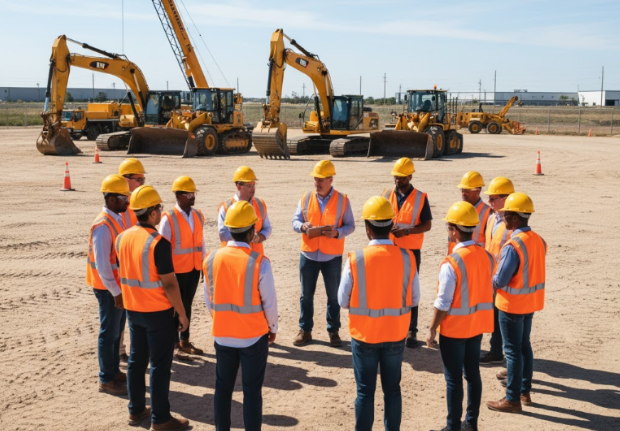
If you have no previous experience in job sites, it is natural to feel daunted starting a career in construction.
To ease this hassle, one of the best methods is to join heavy construction equipment schools that not only furnish you with practical instruction but also let you acquire the technical skills in today’s age of cut-throat competition in the industry.
Why Choose a Heavy Equipment Operator School
It is not only the lectures when you go to a heavy equipment operator school. The lessons also include the operations training of necessary machines like the bulldozer, excavator, and backhoe. Through the application of practice and teaching, the operators in training are prepared for work immediately after completion of the courses.
Some of the key benefits include:
- Hands-on learning: Students practice with real equipment under realistic conditions with confidence.
- Industry-standard curriculum: It is training that corresponds to the expectations of employers; thus, the skills you learn when studying will be relevant to and beneficial for earning.
- Safety-first approach: Ensure the proper procedure is followed at all times to avoid accidents. This is among the most important things every construction professional must learn.
Steps to Transition Into a Construction Career
Entering into construction involves a couple of actions to take, all of which are backed up by an established heavy equipment operator school:
- Assess Your Goals: Which aspect of construction interests you? Equipment operation, site management, or logistics?
- Choose the Right Program: The school should encompass comprehensive education, with seasoned faculty and facilities equipped with the latest technology.
- Experience the Hands-On Approach: Make sure to participate in practical training sessions where you learn to use various types of machinery.
- Earn the Credentials: Industry-recognized credentials provided after the completion of an operator employee training program boost candidates’ employability.
- Create Your Network: Most operator schools create opportunities that link students with local employers in order to give their careers a momentum.
Skills You’ll Develop in Operator Training
Completing a course at a heavy equipment operator school gives you invaluable skills that are much needed in the building industry, such as:
- Technical competence: Skills for safely operating the heavy equipment are advanced on a large scale.
- Problem-solving skills: Handle periods of crisis effectively and efficiently at work stations.
- Communication and team skills: Work with other team members and seniors to ensure jobs are done perfectly and on time.
- Awareness of safety measures: Observe the safety measures that safeguard you and your fellow workers, including the machine.
All these attributes facilitate the shift from a beginner to a skilled operator.
Industry Opportunities for Graduates
There is a constant growth within the construction industry, where skilled professionals are in high demand. Enrolling in a heavy construction equipment school allows students to learn various skills necessary for different careers, such as:
- Construction of commercial or residential buildings.
- Development of infrastructure such as roads, bridges, and many more.
- Excavation work and mining, etc.
- Local construction works and government construction works.
After the required education and appropriate licensing, individuals can easily enter the workforce and start forming a solid and satisfying career.
Conclusion
With a structured heavy equipment operator training, entry into construction careers becomes much easier. Through practice, knowledge, and industry-based instruction, one gains the confidence and skills that employers look for.
The programs at National Training are designed to offer practical training with real applications so that students can successfully enter the construction workforce. If you are ready to begin a rewarding career as a skilled equipment operator, National Training provides guidance, expertise, and credentials to ensure your transition is seamless and successful.
Leave a Reply